Lower Utility Costs Start With Better Insulation and Ventilation
A roof replacement can lower your energy bills by improving insulation, sealing air leaks, and helping your home breathe the right way. When your roof is old or damaged, it lets heat escape in winter and traps hot air in summer. A new system helps keep indoor temperatures steady, so your heating and cooling system does not work as hard. That means less energy use each month.
What You Need Before Getting Started
Before planning a roof replacement, gather a few key details about your home:
- Your average monthly energy bills from the past year
- The age of your current roof
- Any past attic insulation upgrades
- Signs of poor ventilation, like hot upstairs rooms
These details help you see if your roof may be part of the problem. Sometimes high bills are caused by old insulation alone. Other times, the roofing materials have broken down and no longer reflect heat or seal out moisture.

Step-by-Step: How Roof Replacement Impacts Efficiency
Here is how the process can affect your energy use:
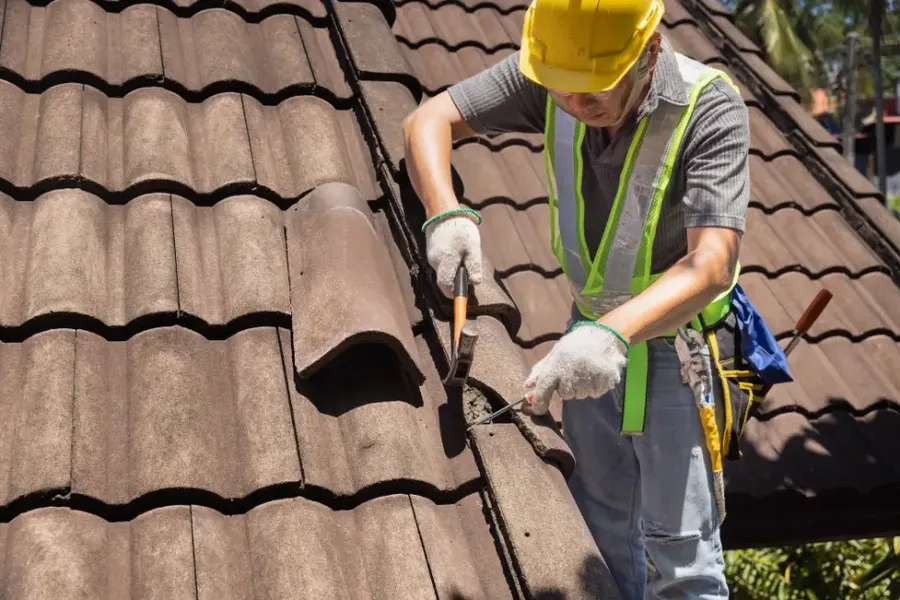
- Removing old materials: Old shingles and underlayment often trap moisture and lose insulating value.
- Inspecting the deck: Contractors check for gaps or soft spots that let air leak into the attic.
- Adding modern underlayment: New layers block moisture and reduce drafts.
- Improving attic ventilation: Ridge vents and intake vents balance airflow.
- Installing energy-efficient shingles: Many new shingles reflect more sunlight and absorb less heat.
Each step works together. For example, better ventilation keeps attic temperatures closer to outdoor levels. In summer, this can lower attic heat by 20 degrees or more. That reduces strain on your air conditioner.
Common Mistakes to Avoid
Some homeowners expect instant savings without looking at the full system. Here are mistakes to watch for:
- Skipping insulation upgrades during roof replacement
- Choosing the cheapest shingle without checking energy ratings
- Ignoring small air leaks around vents and chimneys
- Not reviewing attic airflow design
A roof replacement alone can help, but the biggest savings often come when insulation and ventilation are improved at the same time. Think of your home like a cooler. If the lid does not seal tight, cold air escapes no matter how new the cooler looks.
When to Call a Professional
If your energy bills keep rising and your roof is over 20 years old, it may be time for a professional inspection. Curling shingles, missing granules, or dark streaks can signal heat absorption problems. Ice dams in winter also point to ventilation issues.
A trained roofing team can measure attic airflow, check insulation depth, and recommend materials designed for your climate. Some homes benefit from cool-roof products that reflect sunlight. Others need better ridge and soffit vent placement. This type of roofing upgrade is part of a broader plan to make your home more energy efficient.
Final Recommendation and Next Steps
If you want lower utility costs and better indoor comfort in Atlantic City, NJ, we can help you decide if a roof replacement is the right move. At Affordable Roofing Experts LLC, we take time to inspect ventilation, insulation, and material options before starting any work. Call (609) 418-3986 to schedule an evaluation and let us help you make your home more efficient while protecting your investment.