A Simple Way to Help Your Roof Last Many More Years
Roof coating extends roof lifespan by adding a strong, protective layer over your existing roof. This layer seals small cracks, blocks water, and reflects heat from the sun. When your roof is protected from leaks and harsh weather, it breaks down more slowly. That means fewer repairs, less damage, and more years before you need a full replacement.
What You Need Before Starting
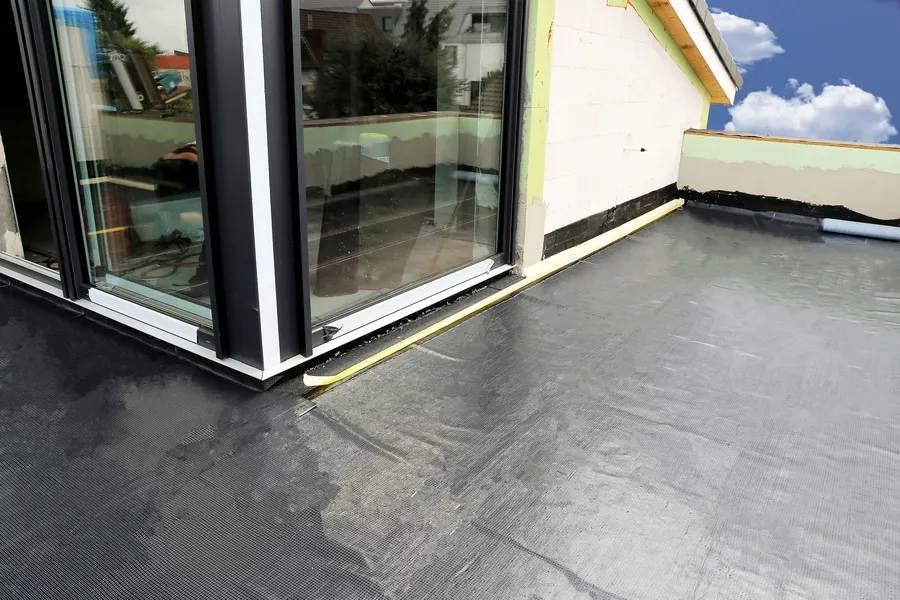
Before applying a roof coating, you need to make sure your roof is in good shape. Coating works best on a roof that is stable and dry. It is not a fix for major structural damage.
Here is what should be checked first:
- No active leaks inside the building
- No large cracks or soft, rotted areas
- Clean surface free of dirt and debris
- Proper drainage so water does not sit for days
A basic roof inspection helps you spot problems early. Small repairs should be done before the coating is applied. This helps the new layer bond well and last longer.
Step-by-Step Process
Applying roof coating follows a clear process. Skipping steps can lead to peeling or uneven coverage.
- Inspect the roof. Check for cracks, loose seams, and weak spots.
- Make repairs. Seal gaps and replace damaged sections.
- Clean the surface. Remove dirt, dust, and loose material. Many jobs use pressure washing.
- Let it dry fully. Trapped moisture can cause the coating to fail.
- Apply primer if needed. Some roof types require it for better bonding.
- Apply the roof coating evenly. Use the right tools and thickness.
- Allow proper curing time. Keep foot traffic off the surface until it sets.
When done the right way, roof coating creates a seamless barrier. This barrier helps stop water from getting into tiny gaps that grow bigger over time.
Common Mistakes to Avoid
Many early failures happen because of simple mistakes. Avoiding these errors can add years to your roof.
- Applying coating over a wet surface
- Skipping repairs before coating
- Using the wrong product for the roof type
- Applying too thin or too thick of a layer
- Ignoring weather conditions during installation
For example, putting coating on right before heavy rain can wash it away. Very hot days can also cause uneven curing. Planning around the weather makes a big difference.
How It Protects and Adds Years
Roofs wear down from sun, rain, wind, and changing temperatures. Over time, materials expand and contract. Small cracks form. Water seeps in. This cycle slowly weakens the roof system.
roof coating acts like sunscreen and a rain jacket at the same time. Reflective coatings bounce sunlight away, which reduces heat buildup. Less heat means less movement in roofing materials. That lowers stress on seams and fasteners.
The waterproof layer also blocks standing water from soaking into the surface. On flat or low-slope roofs, this is very helpful. Stopping moisture early helps prevent mold, rot, and interior damage.
By reducing heat and moisture damage, roof coating slows the aging process. In many cases, it can add 10 years or more to a roof that is still structurally sound.
When to Call a Professional
Some property owners think roof coating is a simple weekend project. Small sheds might work for that. Most homes and commercial buildings do not.
You should call a professional if:
- Your roof is older and has multiple repair areas
- You are not sure what caused past leaks
- The roof has ponding water problems
- The surface is large or hard to access safely
A trained crew can inspect the entire roofing system, not just the surface. They can tell you if coating is a good fit or if repairs come first. This step protects your investment and avoids wasting money on the wrong fix.
Final Recommendation and Next Steps
If you are in Atlantic City, NJ and want to help your roof last longer, roof coating may be the right solution. At Affordable Roofing Experts LLC, we inspect each roof carefully and explain the options in clear terms. Our team handles prep, repairs, and full application so the system performs as it should. Call us at (609) 418-3986 to schedule an inspection and find out if a protective coating is the right step for your building.